Natural Disasters in India and Pakistan: Devastating Floods and Landslides Claim Hundreds of Lives
New Delhi, August 17, 2025 – Torrential monsoon rains and cloudbursts have triggered catastrophic floods and landslides across India and Pakistan, killing over 280 people and displacing thousands, as rescuers race to save stranded residents and recover missing persons, authorities reported Friday.
In India, the remote Himalayan village of Chositi in Jammu and Kashmir’s Kishtwar district was hit hardest, with a cloudburst on August 14 causing flash floods that killed at least 60 people and left 80 missing, according to the Press Trust of India. The floods swept away a community kitchen serving pilgrims on the Machail Mata shrine route, destroying homes, vehicles, and infrastructure. “We retrieved 33 bodies from the mud,” said resident Harvinder Singh, who joined rescue efforts. Nearly 4,000 pilgrims were evacuated using makeshift bridges and earthmovers to clear debris, officials said, suspending the pilgrimage until September 5.
Northeastern India faced relentless monsoon rains, with Assam reporting 17 deaths, including five in Guwahati landslides, and over 400,000 people affected across 15 districts, per Sphere India. Manipur saw flash floods displace 56,000 residents, while Himachal Pradesh recorded 17 fatalities and ₹300 crore in infrastructure damage from June 22–29, according to the state’s Public Works Department. A severe snowstorm in Uttarakhand’s Chamoli district in March swept away 55 laborers, killing eight, per India Water Portal.
In Pakistan, flash floods claimed at least 243 lives, with 157 deaths in Buner district alone, per the National Disaster Management Authority. Khyber Pakhtunkhwa province reported 324 deaths since June 26, with rescuers saving 2,000 tourists in Mansehra’s Siran Valley. A helicopter crash in Bajaur, delivering relief supplies, killed five crew members, including two pilots, due to bad weather, authorities confirmed. “The death toll may rise as dozens remain missing,” said Mohammad Suhail, a provincial official.
Climate experts attribute the intensified disasters to global warming, with a World Weather Attribution study noting 10–15% heavier rainfall in Pakistan’s Punjab and Khyber Pakhtunkhwa due to climate change. “Cloudbursts are becoming more frequent in Himalayan regions,” said Indian Prime Minister Narendra Modi in his Independence Day speech, calling for resilient infrastructure. Pakistan’s disaster agency issued alerts for potential glacial lake outburst floods, a growing risk as glaciers melt rapidly.
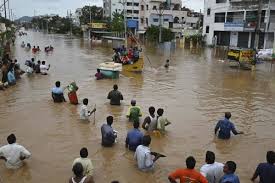
Relief efforts are underway, with India deploying rescue boats and Pakistan using helicopters and ambulances to evacuate thousands. Leaders in both nations offered condolences and promised swift aid, but challenges like damaged infrastructure and ongoing rains persist. Humanitarian needs include food, clean water, and medical supplies, with donations urged via trusted organizations.
For updates and ways to support relief efforts, visit newstra.in.
Sources: Press Trust of India, Sphere India, National Disaster Management Authority, India Water Portal, World Weather Attribution, X posts.