India’s Space Achievements: ISRO’s 2025 Milestones Elevate Nation to Global Space Power
Sriharikota, August 17, 2025 – India’s space program, led by the Indian Space Research Organisation (ISRO), has marked 2025 as a transformative year with groundbreaking achievements, from successful space docking to the 100th launch from Sriharikota, solidifying its status as a global space leader, ISRO officials announced.
The year, dubbed the “Gaganyaan year” by ISRO Chief V. Narayanan, saw significant progress toward India’s first crewed space mission. The Axiom-4 mission, now scheduled for June 22, 2025, after multiple delays due to weather and technical issues, will send Indian Air Force pilot Shubhanshu Shukla to the International Space Station (ISS), marking the first Indian astronaut visit, per Minister of State Dr. Jitendra Singh’s post on X.
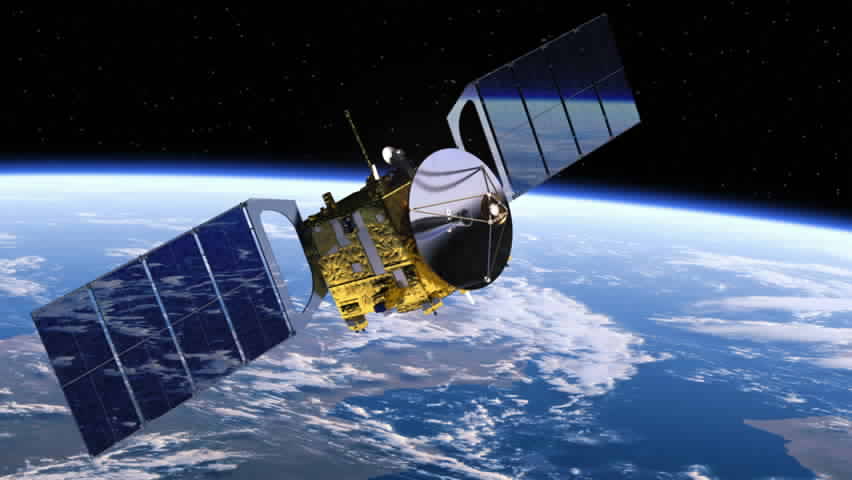
ISRO’s Space Docking Experiment (SpaDex) was a landmark achievement, with two satellites (SDX-01 and SDX-02) successfully docking in orbit on January 16, 2025. “This technology is key to lunar missions and building the Bharatiya Antariksh Station,” ISRO posted on X, joining an elite group of nations capable of space docking.
The 100th launch from Sriharikota’s Satish Dhawan Space Centre on January 29, 2025, was another milestone. The GSLV-F15 rocket deployed the NVS-02 satellite, enhancing India’s Navigation with Indian Constellation (NavIC) system, which provides precise positioning across India and 1,500 km beyond. NavIC’s second-generation satellite, launched with indigenous atomic clocks, boosts regional navigation for defense and civilian use, per ISRO reports.
ISRO’s innovation shone with the PSLV Orbital Experimental Module (POEM-4), featuring the Robotic Rover Manipulator-Technology Demonstrator (RRM-TD), India’s first space robotic arm with inch-worm walking capability. “A proud #MakeInIndia milestone,” ISRO tweeted on January 4, 2025, highlighting its role in advancing space robotics.
The Global Conference on Space Exploration (GLEX) 2025, held May 7–9 in New Delhi, underscored India’s growing influence. Prime Minister Narendra Modi, addressing the event via videoconference, emphasized India’s space journey as a “declaration of curiosity, courage, and collective ambition,” fostering international collaboration, per the Press Information Bureau.
Looking ahead, the Gaganyaan mission’s first uncrewed test flight, G1, is set for late 2025 using the human-rated LVM3 rocket. This mission will validate systems for India’s first crewed spaceflight, aiming to place three astronauts in low Earth orbit for up to seven days, joining the U.S., Russia, and China as the fourth nation with human spaceflight capability.
Challenges persist, including geopolitical hurdles and the need for private sector integration. ISRO’s partnerships with startups via the Indian National Space Promotion and Authorization Center (IN-SPACe) and global agencies like NASA and JAXA signal a collaborative future, with the Joint Lunar Polar Exploration mission planned for late 2025 to search for lunar water.
“India’s space program is a testament to innovation and resilience,” said Dr. Radhakrishna V, ISRO scientist, at a recent event in Mysuru. As ISRO prepares for Mangalyaan-2 and Shukrayaan missions, 2025 marks a stepping stone to a space station by 2035 and lunar missions by 2040. For updates, visit newstra.in.
Sources: ISRO, Press Information Bureau, The Week, India Today, X posts.