Natural Disasters in South Asia: Monsoon Floods and Landslides Devastate Communities
New Delhi, August 16, 2025 – South Asia is grappling with a wave of devastating natural disasters as the 2024–2025 monsoon season triggers catastrophic floods and landslides across Bangladesh, India, Nepal, and other nations, leaving millions displaced and hundreds dead, regional authorities and aid agencies report.
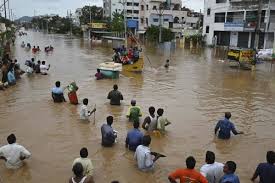
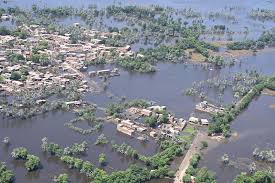
The monsoon, intensified by climate change, has brought unprecedented rainfall, causing flash floods and landslides that have upended lives. In Bangladesh, over 18 million people, including 2 million children, have been affected by severe flooding in the east and southeast, with 1.2 million families trapped in submerged areas, according to UNICEF. The flooding, described as the worst in 34 years, has damaged homes, croplands, and fisheries, severely impacting livelihoods in regions like Chattogram and Sylhet.
In India, Cyclone Fengal battered Tamil Nadu and Pondicherry, claiming 20 lives, while a cloudburst in Uttarakhand’s Dharali village on August 5 triggered a deadly mudslide, killing at least four and leaving over 50 missing, per posts on X. Tripura faced its worst floods since 1983, with 1.7 million people affected and 117,000 displaced due to heavy rains and over 2,000 landslides, according to the UN Office for the Coordination of Humanitarian Affairs (OCHA).
Nepal, a climate change frontline, saw over 200 deaths from monsoon-related floods and landslides, including a tragic incident where two buses were swept into a river, killing 65. A glacial lake outburst flood (GLOF) in the Everest region wiped out Thame village, destroying homes, a school, and a health clinic, though no fatalities were reported there. “The increasing frequency of extreme weather is changing how we must plan infrastructure,” said Bipin Dulal of the International Centre for Integrated Mountain Development.
Pakistan reported 243 deaths, half of them children, highlighting their vulnerability, while Sri Lanka faced 17 fatalities from a tropical depression in late November 2024, forcing 250,000 to evacuate. Thailand’s southern regions saw one death and over 135,000 households affected by flooding, per UN reports.
Climate experts attribute the severity to global warming, with a 2021 study noting that South Asia’s monsoon has become more erratic and intense. “The statistics of the past no longer apply,” said hydrologist John Pomeroy, emphasizing the need for climate-resilient infrastructure. The World Meteorological Organization (WMO) reported that Asia, warming faster than the global average, saw 79 water-related disasters in 2023 alone, with floods and storms causing over 2,000 deaths.
Governments are responding with urgency. In Bangladesh, search and rescue operations continue, with 285,000 people in shelters. Nepal is assessing risks to rebuild smarter, while India is aiding regional neighbors with early warning systems, per the India Meteorological Department. Humanitarian needs include food, clean water, medical supplies, and hygiene kits, with cash donations recommended to support local recovery efforts, according to the Center for Disaster Philanthropy.
As South Asia faces a future of escalating climate risks, experts urge regional cooperation and investment in early warning systems. “These disasters are wake-up calls,” said Ramesh Subramaniam of the Coalition for Disaster Resilient Infrastructure. For updates and ways to help, visit newstra.in.
Sources: UNICEF, UN OCHA, WMO, Center for Disaster Philanthropy, X posts, India Meteorological Department.